Three telematics applications in mining environments

Mining operations
Eliminating the “dark time” caused by unexpected breakdowns
Owasys owa5X, owa4X
The problem
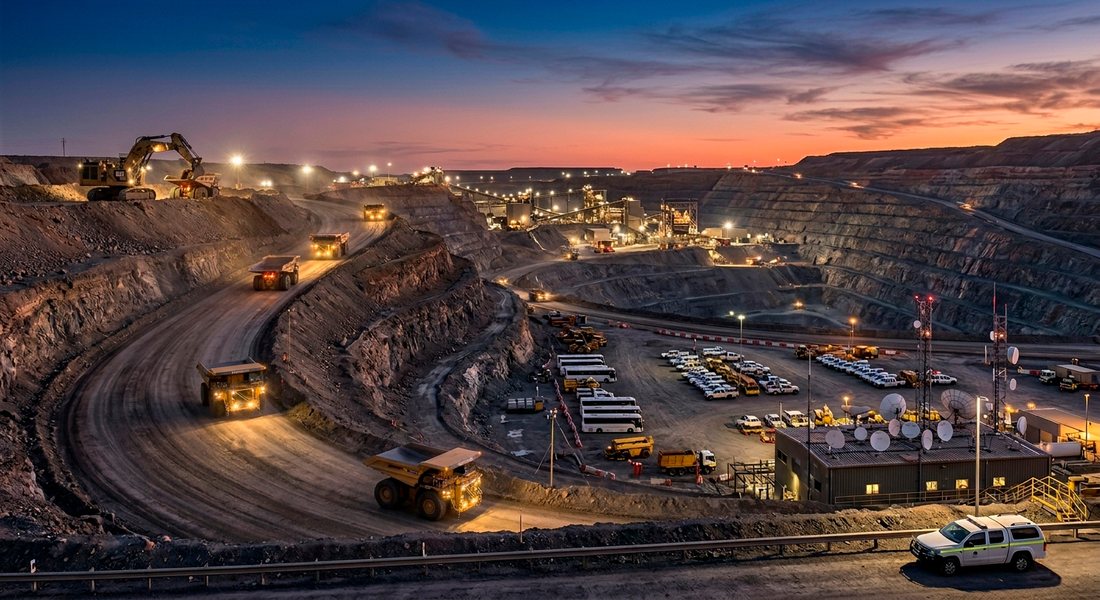
The mining sector is rapidly becoming a digital ecosystem. As operations move toward automation, remote monitoring of machinery ceases to be a luxury and becomes an operational necessity.
Mining companies invest millions in their fleets, in an environment where the margin for error is razor-thin. A single undetected issue — degrading oil quality, fluctuating tire pressure — can lead to a catastrophic mechanical failure. Such incidents do not only cost parts: they force expensive production downtime.
On-board telematics delivers a dual benefit: on the one hand operational intelligence, with real-time data on working hours that allows precision scheduling and statistical analysis; on the other predictive maintenance, by identifying pre-failure signatures so that action can be taken before a systemic breakdown.
Three implementations
1. Fleet management
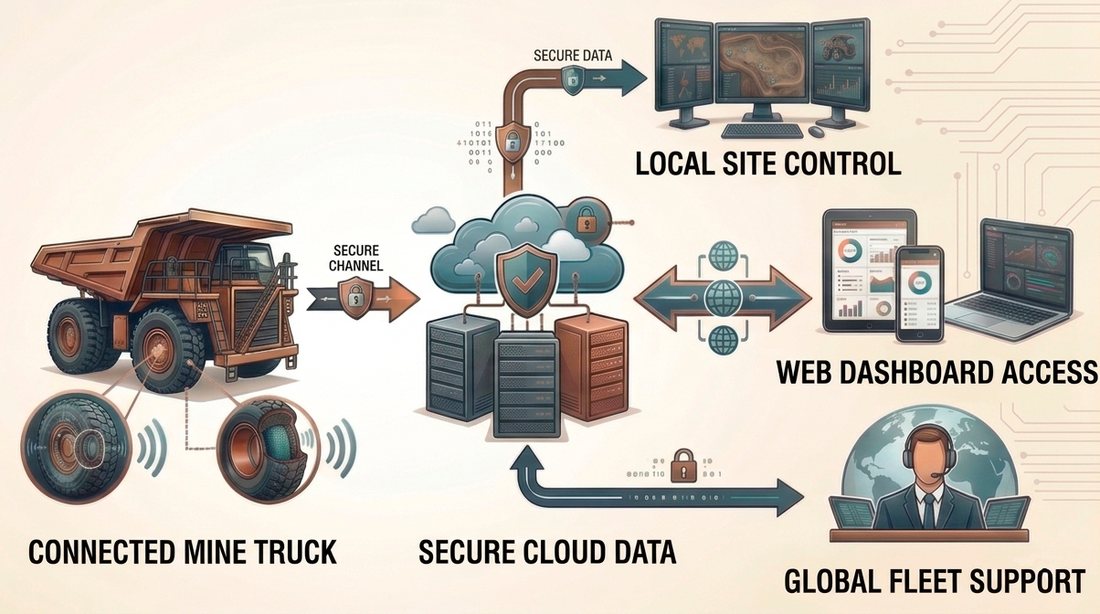
The owa5X serves as a rugged onboard edge device to turn raw machine data into optimized fleet performance. Housed in an IP67 / IP6K9K enclosure designed for harsh mining environments, it connects to numerous machine types — haul trucks, excavators — over up to four CAN FD buses. Thanks to the i.MX8 M Plus 64-bit quad-core processor and its open Linux platform, the unit performs complex processing and packaging locally before transmitting insights and positioning information to the cloud or the dispatch room, over LTE Cat 4, WiFi or satellite.
2. Tire pressure monitoring
The same owa5X forms the core of a tire pressure monitoring system (TPMS). It collects real-time pressure and temperature data from wireless sensors across the fleet, then calculates “cold inflation” pressure locally, compensating for heat build-up. Its 6-axis accelerometer and GNSS make it possible to correlate the stress on the tires with driving behavior and road conditions. By transmitting these indicators over LTE Cat 4 or WiFi, it enables a shift to predictive maintenance: detecting slow leaks and overheating before failure, eliminating manual pressure checks, improving fuel efficiency and extending tire life.
3. Oil condition monitoring
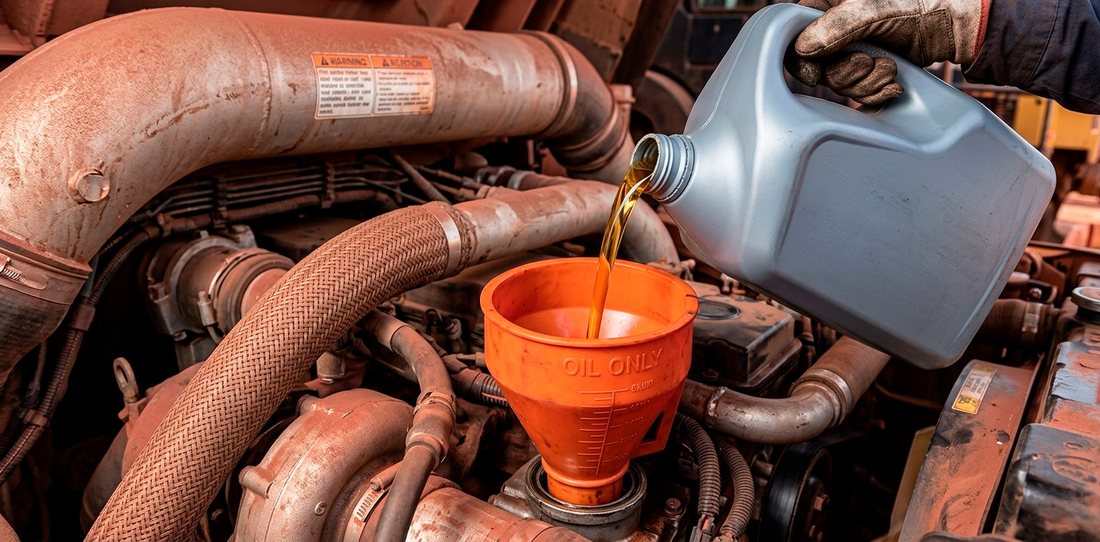
This third application relies on the owa4X, used as a rugged hub. Housed in an IP67 enclosure, it connects to specialized sensors through a modular hub system that scales from a single machine to a whole fleet fitted with multiple sensors. Its ARM Cortex A8 processor running Linux performs edge-side processing before transmitting oil degradation and contamination alerts to the cloud over LTE, WiFi or Ethernet. The operator moves from reactive to predictive maintenance and can safely extend oil drain intervals, based on the actual condition of the lubricant rather than on hours run. GNSS positioning (GPS, GLONASS, Galileo) complements the health status with precise location tracking of mobile assets.
The result
These three applications reduce unexpected breakdowns, optimize equipment lifespan and provide a unified view of the entire fleet. Depending on the scope and requirements of the project, one or the other of the two platforms — owa5X for processing power, owa4X for proven efficiency — offers the best balance of performance and reach.