Bus topologies in industrial automation
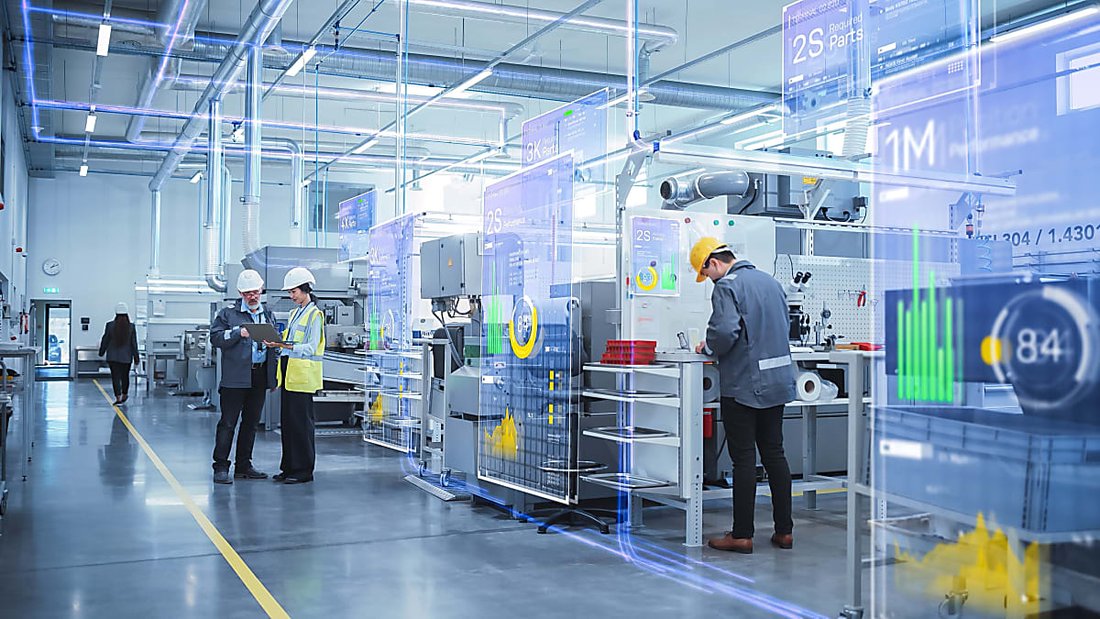
Line, ring, star, tree: each topology has its advantages and constraints, and influences both the system architecture and its efficiency.
The bus topology describes the way in which devices are connected to each other in a network. In industrial automation, the wide range of fieldbuses used translates into equally varied topologies. Which ones are distinguished, and what characterizes them?
The line topology (bus)
This is one of the simplest forms. All devices are connected in a linear sequence, each one directly connected to a common line: the bus. PROFIBUS is a good example of this in industrial automation: it allows efficient communication between control units and field devices.
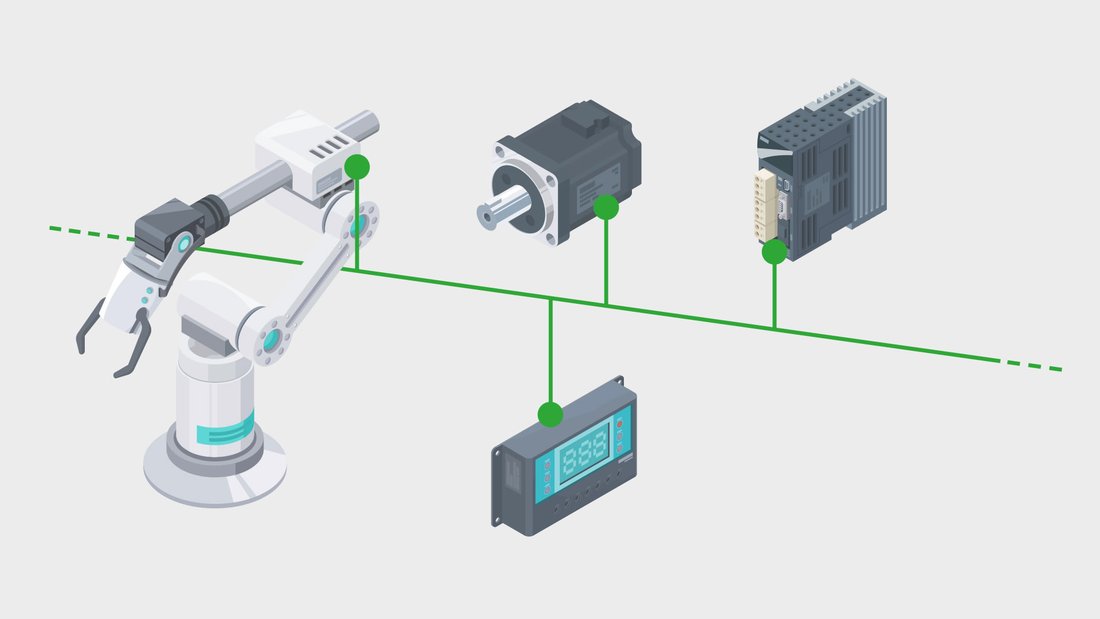
- Simplicity: installation and configuration are simple.
- Cost efficiency: less cabling, therefore lower costs.
- Scalability: new devices can be added without disrupting the network.
- Susceptibility to faults: a defect on the bus cable can impair the entire network.
- Limited length: the total length of the bus is limited, which restricts the network extension.
The ring topology
All devices are arranged in a closed circle. Each one has exactly two neighbors and communicates along the ring. Token Ring, even though it is less widespread in modern networks, illustrates how this works.
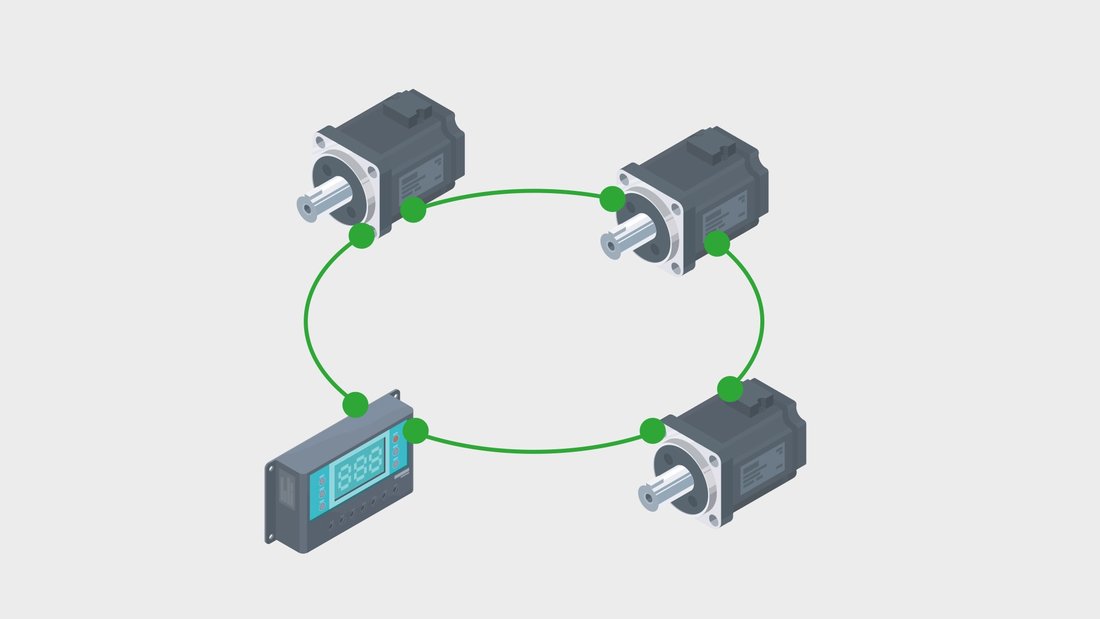
- Data integrity: the ring structure reduces the probability of collisions.
- Repeater function: any device can regenerate the signal, which extends the transmission paths and improves quality.
- Complexity: more difficult installation and troubleshooting.
- Dependency: the failure of a single device can knock out the entire ring.
The star topology
Each device is connected to a central hub or switch, through which the exchanged data always passes. Ethernet networks often use this topology, which makes maintenance and scaling easier.
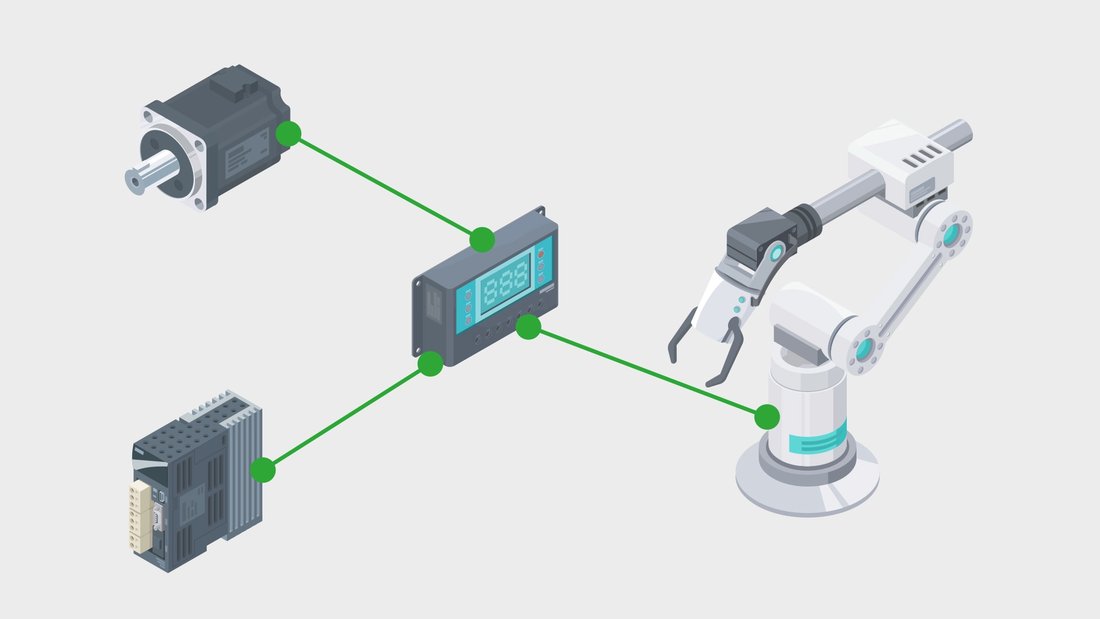
- Reliability: a device failure does not impair the others.
- Simple troubleshooting: problems can easily be localized and corrected.
- Central point of failure: the failure of the hub can shut down the entire network.
- Costs: more cables and a central node to pay for.
The tree topology
Often referred to as hierarchical, it mixes star and bus: a central line to which several star networks are connected, each acting as an independent branch.
CAN is a good example. At its core it is based on a bus topology, where all devices are connected to a common communication line, which allows efficient and low-cost data transmission. It can, however, be expanded into a tree topology to increase range and flexibility, by using bridges and repeaters that connect several segments to each other. This creates a richer and more powerful structure, up to the requirements of larger systems, without sacrificing the fundamental advantages of the bus topology, such as simplicity and reliability. See our article dedicated to CAN topologies.
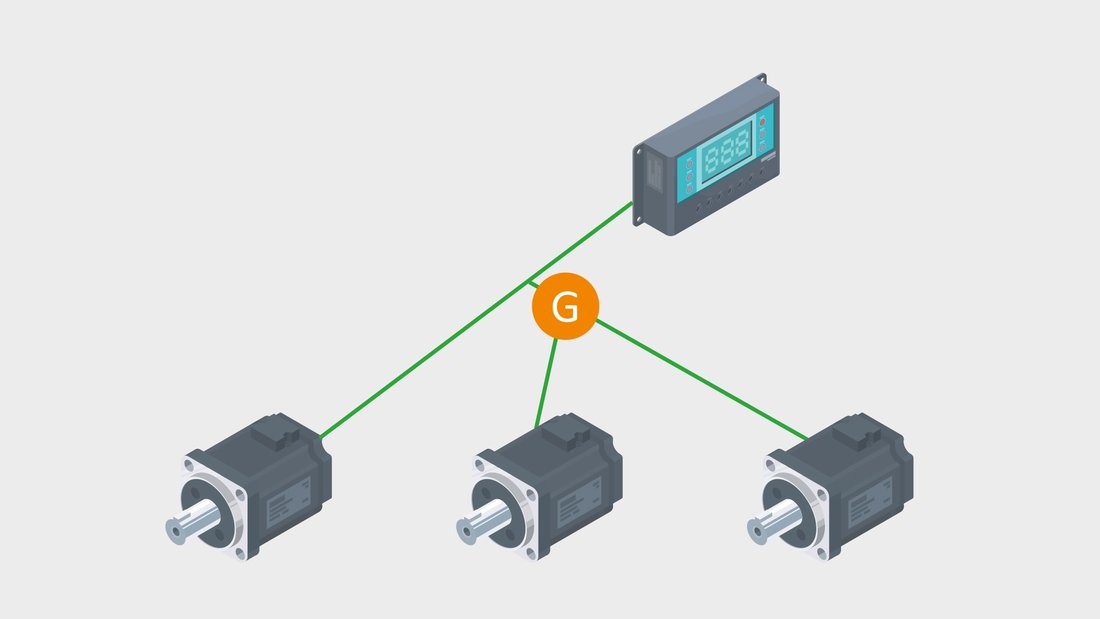
- Flexibility: combines the advantages of the star and bus topologies.
- Expandability: allows a structured and hierarchical architecture.
- Complexity: more demanding planning and implementation.
- Susceptibility: as with the bus topology, a problem on the main line can impair the whole.
In summary
Every topology offers its own advantages and challenges, from the simplicity and cost efficiency of the line to the flexible expandability of the tree. However, the selection of a specific fieldbus can tie the user to the associated topology framework conditions: every fieldbus has its own network structures, which significantly influence the system architecture.